Trek Domane SL & SLR: the Gen 5 Domane has landed
Trek's endurance road bike has just had its biggest rethink in over a decade. The new Gen 5 Domane, launched today, does something that sounded almost heretical a few years ago: it drops IsoSpeed.
For a bike that built its reputation on that rear-end decoupler smoothing out cobbles under riders like Fabian Cancellara and Lizzie Deignan at Paris-Roubaix, that's a big call. So why make it, and does the new bike still ride like a Domane?
Why Trek ditched IsoSpeed
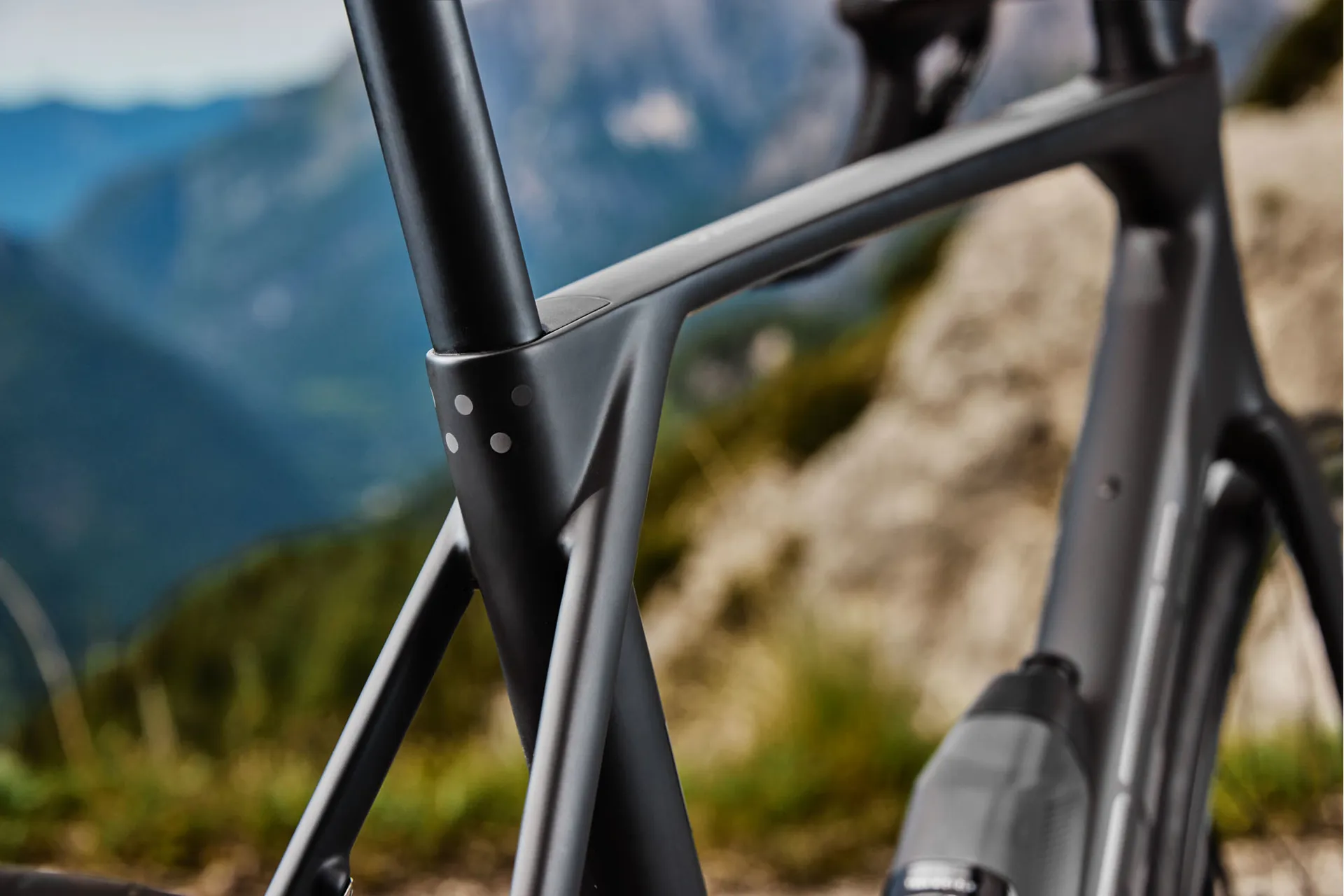
IsoSpeed made sense in 2012. Domane was built around 25mm tyres and rim brakes, which meant high pressures and a harsh ride unless something in the frame gave. IsoSpeed was that something — a pivot between seat tube and top tube that let the frame flex independently of the rest of the bike.
Fast forward to now and disc brakes have opened up frame clearance, tyres have grown, and pressures have dropped. A 35mm tyre at the right pressure does a lot of the compliance work that used to fall entirely on the frame. So Trek's design team set three goals for Gen 5: cut vibration transferred to the rider, improve pedalling stiffness, and lose weight. Removing IsoSpeed's mechanism was the route to all three.
What's actually doing the work now
Three things replace IsoSpeed:
The seat post. An ovalised internal cross-section lets it flex vertically over harsh impacts while staying laterally stiff when you're loading the saddle through a corner or out of the saddle.
The frame layup. Optimised for vertical compliance and pedalling stiffness at the same time — not usually an easy combination. Trek's own pedalling stiffness testing shows a 6% improvement over Gen 4, putting Gen 5 Domane between the outgoing Domane and the Gen 8 Madone for bottom bracket stiffness.
The tyres. Gen 5 is built around 32mm and 35mm tyres as standard (every model except the SLR 9 AXS 1x, which ships without the full clearance spec). Wider tyres run lower pressure for the same support, and that alone accounts for a big chunk of the comfort gain.
The numbers that matter
Trek's Performance Research Lab tested this properly rather than just claiming it. Using a force-sensing saddle and handlebar on a treadmill rig, they measured "vibrational power" — the actual energy transferred to the rider — across Gen 4 and Gen 5 bikes on rough terrain at 7–20mph.
The headline results:
- A 25mm tyre with IsoSpeed still transmits 19% more vibrational power than Gen 5 without it. The tyre and pressure changes have done more for comfort than the old decoupler mechanism ever did.
- Moving from 32mm to 35mm tyres, at correctly adjusted pressure, brings Gen 5 within 5% of Gen 4's vibrational power — while the frame is 292g lighter with one less moving part to maintain.
- 3D motion capture testing showed bottom bracket displacement between Gen 4 and Gen 5 differs by just 0.08mm, and saddle-to-rider coupling by 0.11mm. In plain terms: on the road, you won't feel the difference in smoothness. You will feel the difference in weight and pedalling response.
Trek also put over 400 hours and 6,000 miles of real-world testing into pre-production bikes, not just lab data.
Same Domane geometry, simpler bike
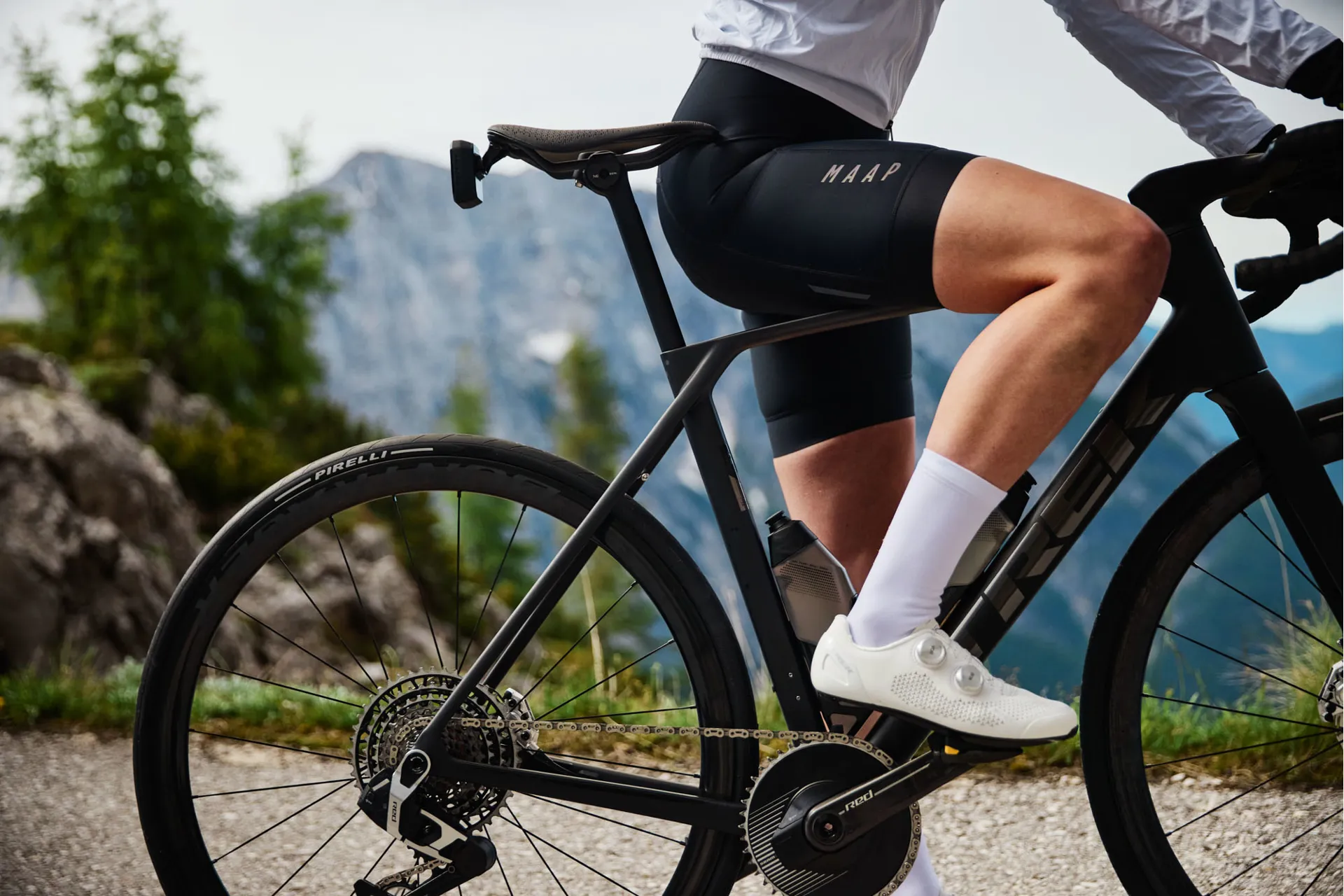
The endurance fit and handling that's always defined Domane carries over. What's changed is that Trek has engineered the comfort into fewer parts, which means less to go wrong, less to service, and a lighter bike overall.